Rainy-Day Enrichment Games for High-Energy Poodles
By Furever Perfect Pups | July 1, 2026 |


It’s easy to feel overwhelmed when breeders talk about F1 vs F1B vs F2 Bernedoodles. These generation Bernedoodle labels might seem like complex code, but they’re really just a map to your future dog’s traits.
Not all Bernedoodles are created equal. The difference lies in understanding Bernedoodle generations before picking your puppy. These labels are genetic blueprints that determine the coat type and how much low shedding you can expect. They also show you if the Bernedoodle puppy has hypoallergenic qualities. Choosing the right Bernedoodle generation will help you find a great family companion, especially if you have severe allergies or are a first-time dog owner.
This guide breaks down everything prospective owners need to know about F1, F1B, and F2 Bernedoodles. We’ll look at how the genetics of the Bernese Mountain Dog and purebred Poodle mix differently in each one.
Bernedoodle generations are labels – F1, F1B, and F2 – that explain the exact genetic mix of purebred Poodle and Bernese Mountain Dog genes (the parent breeds) a Bernedoodle puppy has. Knowing about Bernedoodle generations gives you a better idea of your dog’s coat, temperamental traits, grooming needs, and how they might affect allergy sufferers.
Bernedoodle generations simply explain how many generations separate the puppy from the original cross. This mix explains the main differences you see in the traits of your Bernedoodle puppies. Since they’re mixed breeds, they benefit from the health benefits of hybrid vigor and genetic diversity.
The generation of a Bernedoodle affects the predictability of the coat type and if the individual dog is more of a low-shedding dog. Families with severe allergies usually want a higher percentage of Poodle DNA for a more predictable coat.
The “F” means “filial” and just shows the generation level of the crossbreed.
The “b” in F1b means “backcross.” It means one parent is an F1 Bernedoodle and the other is a purebred Poodle. This “backcross” deliberately increases the poodle’s genetic contribution to improve traits such as a low-shedding coat and hypoallergenic qualities.
Here’s what this looks like in a table:
| Generation | Parent Cross | Poodle/Bernese % | Predictability | Main Trait |
|---|---|---|---|---|
| F1 | Poodle x Bernese Mountain Dog | Approx 50% / 50% | Medium | Highest hybrid vigor (most genetic diversity) |
| F1B | F1 Bernedoodle x Poodle | Approx 75% / 25% | High | High poodle DNA, best chance for a non-shedding dog |
| F2 | F1 Bernedoodle x F1 Bernedoodle | Approx 50% / 50% | Low | High variability, even within the same litter |
The F1 Bernedoodle is a first-generation Bernedoodle, made up of 50% Bernese Mountain Dog and 50% purebred Poodle. This generation is the classic mix that starts the Bernedoodle line and is known for hybrid vigor.
The F1B Bernedoodle results from breeding an F1 Bernedoodle back to a purebred Poodle, increasing its Poodle DNA and enhancing its traits.
The F2 Bernedoodle is the second generation, born from two F1 Bernedoodles. This is where you get the most genetic diversity and unpredictability because two already-mixed dogs are breeding.
Each Bernedoodle generation has specific advantages and challenges that affect daily life with your puppy:
| Characteristic | F1 Bernedoodle | F1B Bernedoodle | F2 Bernedoodle |
|---|---|---|---|
| Shedding Level | Moderate | Minimal | Variable |
| Hypoallergenic Quality | Moderate | High | Unpredictable |
| Coat Predictability | Good | Very Good | Poor |
| Grooming Frequency | Every 8–10 weeks | Every 6–8 weeks | Variable |
| Temperament Predictability | Good | Very Good | Poor |
| Energy Level | Moderate to High | Higher | Variable |
| Training Response | Good | Excellent | Variable |
| Hybrid Vigor | Highest | Good | Good |
| Genetic Diversity | High | Moderate | Very High |
When choosing any Bernedoodle generation, either F1, F1B, or F2, health should always be the top priority. While generation labels can give you clues about coat types, hypoallergenic qualities, and temperament, they don’t guarantee a healthy puppy. Get your Bernedoodle puppies from reputable breeders who focus on a high-quality breeding program, conduct comprehensive health testing, and prioritize the long-term well-being of the Bernedoodle puppies. Understanding health considerations across generations can help you pick the best puppy for your family.
The F1 Bernedoodle, or first-generation Bernedoodle, benefits the most from hybrid vigor. This generation is a direct cross between a purebred Bernese Mountain Dog and a purebred Poodle, creating a unique mix with extensive genetic diversity. This diversity can “dilute” inherited health risks from both parent breeds. F1 Bernedoodles often show improved overall health, vitality, and resistance to certain breed-specific problems. While no dog is completely free from potential health issues, the F1 generation generally has the strongest natural protection against some common concerns, such as cancer and joint issues from the Bernese Mountain Dog side or certain Poodle-specific conditions.
The F1B Bernedoodle has around 75% Poodle genetics and 25% Bernese Mountain Dog genetics, so it leans more toward the Poodle side. This generation still benefits from outcrossing, but the stronger Poodle influence can increase the risk of inheriting Poodle-linked health issues, such as certain eye problems or endocrine concerns. This concern doesn’t mean an F1B Bernedoodle will be unhealthy. It just shows why proper health testing for the Poodle parent matters. The Bernese Mountain Dog genetics still give helpful protection, which is why many F1B Bernedoodles stay healthier than purebred Poodles.
As a low-shedding Bernedoodle with more predictable hypoallergenic traits, the F1B Bernedoodle is a popular choice for families dealing with allergy concerns. Even so, health should stay the main focus when picking this generation.
F2 Bernedoodles, or second-generation Bernedoodles, have the widest mix of genetics. They come from two F1 Bernedoodles, which can lead to unpredictable changes in coat types, shedding levels, and overall health. Recessive traits from the Poodle or Bernese Mountain Dog side can appear again, so health issues found in either breed may show up. Because of this, the breeder should share full health clearances for both F1 parent dogs.
Families should pay close attention to areas such as hip and elbow dysplasia, cancer risks linked to the Bernese Mountain Dog line, and eye conditions that can occur in both Poodle and Bernese Mountain Dog genetics. Even with this variety, choosing breeders who focus on good temperament, solid health testing, and honest breeding practices gives an F2 Bernedoodle the best shot at growing into a healthy, steady, well-socialized adult.
Knowing the differences between Bernedoodle generations helps families choose the one that feels right. Their Bernedoodle preferences might include a low-shedding, hypoallergenic puppy, a balanced temperament, or one with a unique mix of personality traits.

The search for Bernedoodle puppies should always lead you to reputable breeders. Be wary of “backyard breeders” or operations that always seem to have available Bernedoodle puppies for sale. These are often focused on profit instead of puppy care. A good breeder will be open and transparent. They should let you meet the parent dogs, see where the puppies are raised, and provide detailed health and lineage documentation.
F1B Bernedoodles are usually the most hypoallergenic because they have about 75% Poodle genes, giving them a low-shedding coat and less dander. F1 Bernedoodles are moderate, and F2 Bernedoodles are unpredictable, so they’re not the best choice for people with serious allergies.
All Bernedoodle generations can have great temperaments. F1 Bernedoodles have the most predictable, balanced temperament, blending Bernese Mountain Dog and Poodle traits for a balanced personality. F1B Bernedoodles are more energetic and trainable, suitable for active families. F2 Bernedoodles can be very mixed in personality.
Yes, mostly because of coat differences. F1B Bernedoodles need daily brushing and regular professional grooming due to their tight curls and low-shedding coats. F1 Bernedoodles need moderate grooming. F1B Bernedoodles also usually need more exercise because of the stronger Poodle traits. All Bernedoodles, regardless of generation, need regular exercise due to their size and energy levels.
No, you can’t know exactly. Even with generation info, each dog’s personality is shaped by genetics and socialization. F1B Bernedoodles are most predictable in coat type, but meeting the parent dogs is the best way to get an idea of what your puppy will be like as an adult.
Picking the right Bernedoodle puppy means knowing the differences between generations. F1 Bernedoodles usually have a balanced personality and strong health. F1B Bernedoodles are great for people with allergies since they shed less, thanks to more Poodle genes. F2 Bernedoodles can be a mix of traits, so they’re less predictable. What really matters is finding a responsible breeder who checks the puppy’s health. The best Bernedoodle for your family depends on your lifestyle, your home, and what kind of personality you’re looking for in a furry friend.
By Furever Perfect Pups | July 1, 2026 |
By Furever Perfect Pups | July 13, 2026 |
By Furever Perfect Pups | July 6, 2026 |
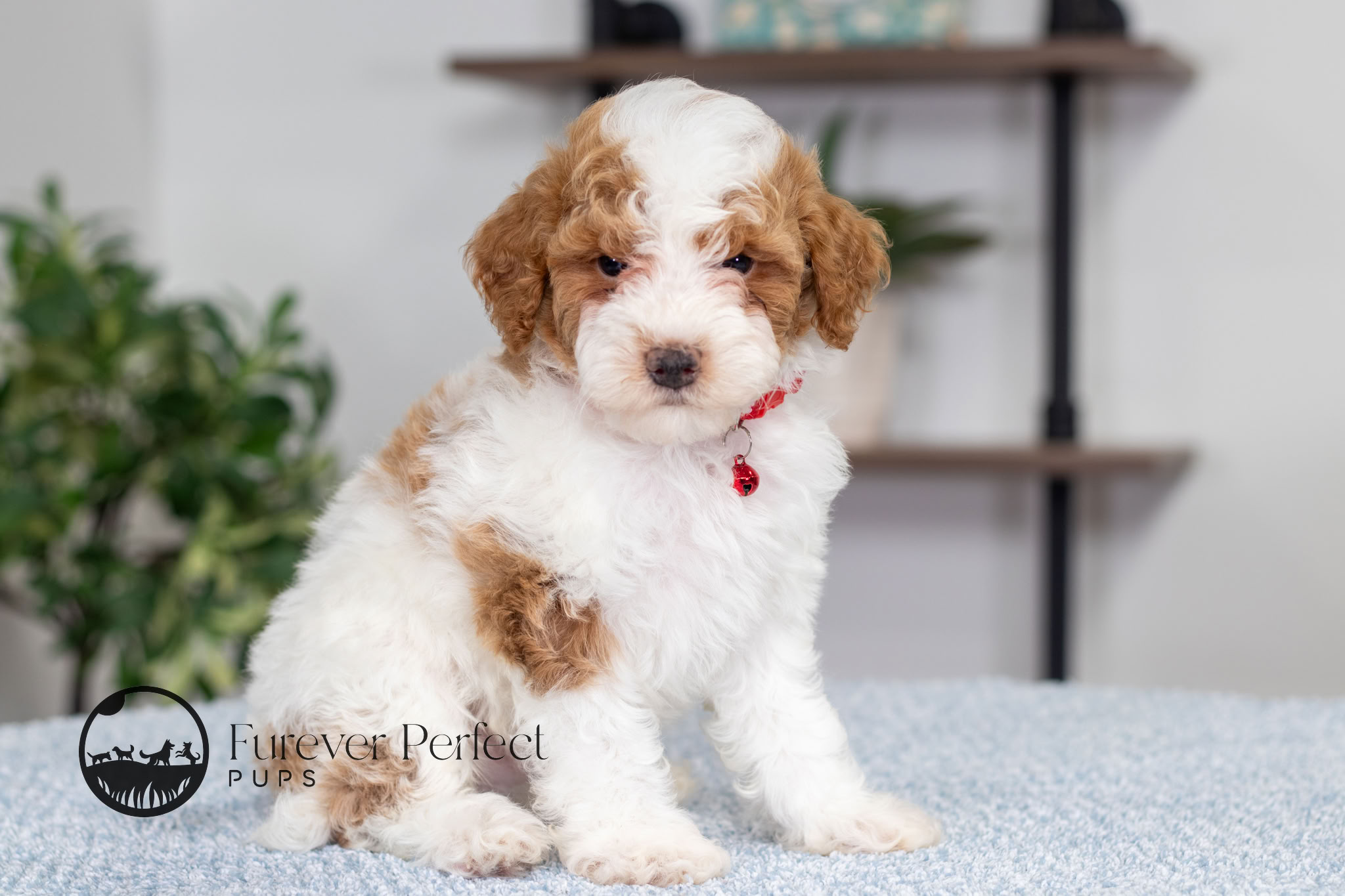
By Furever Perfect Pups | June 29, 2026 |
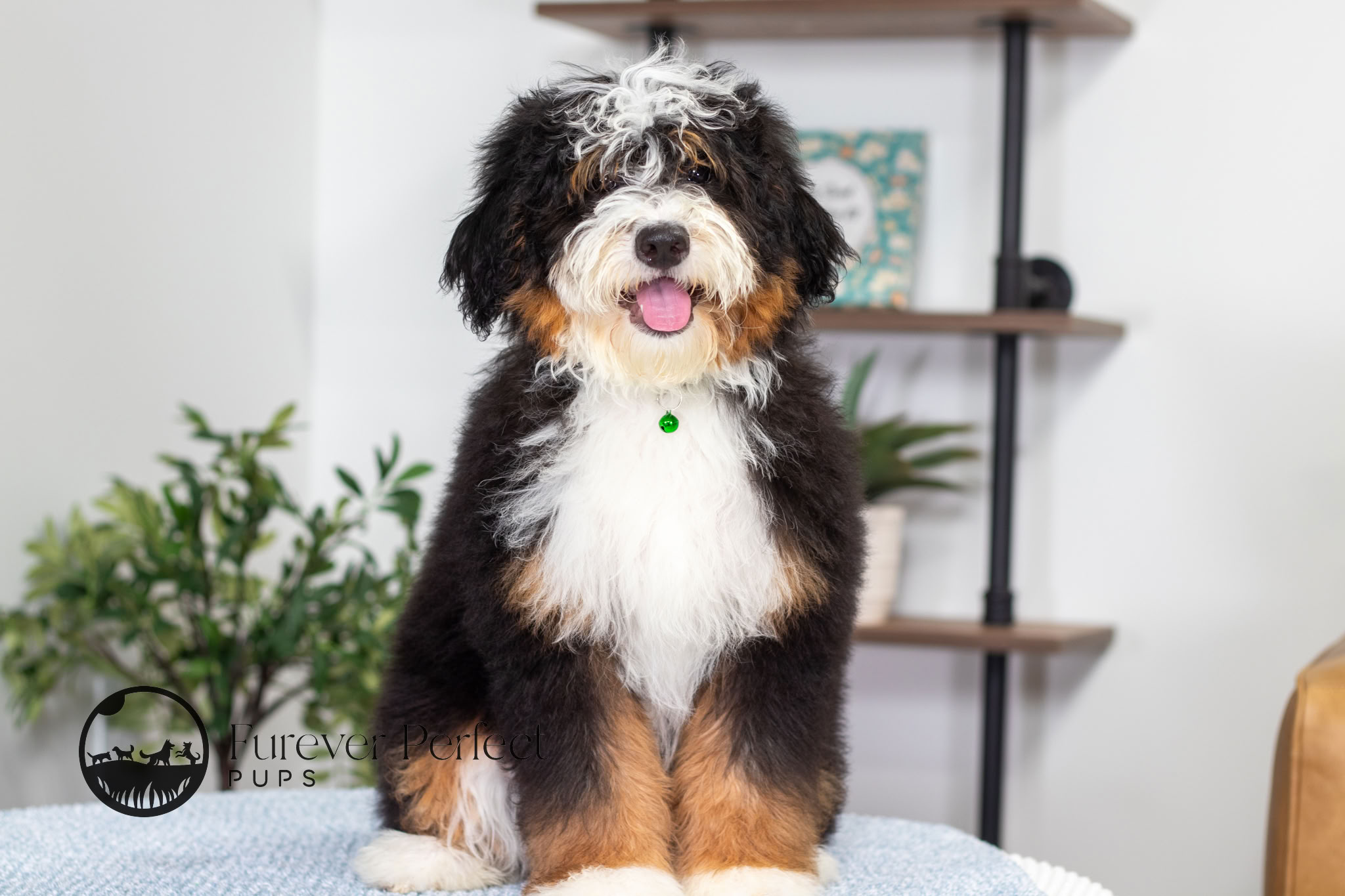
By Furever Perfect Pups | June 24, 2026 |
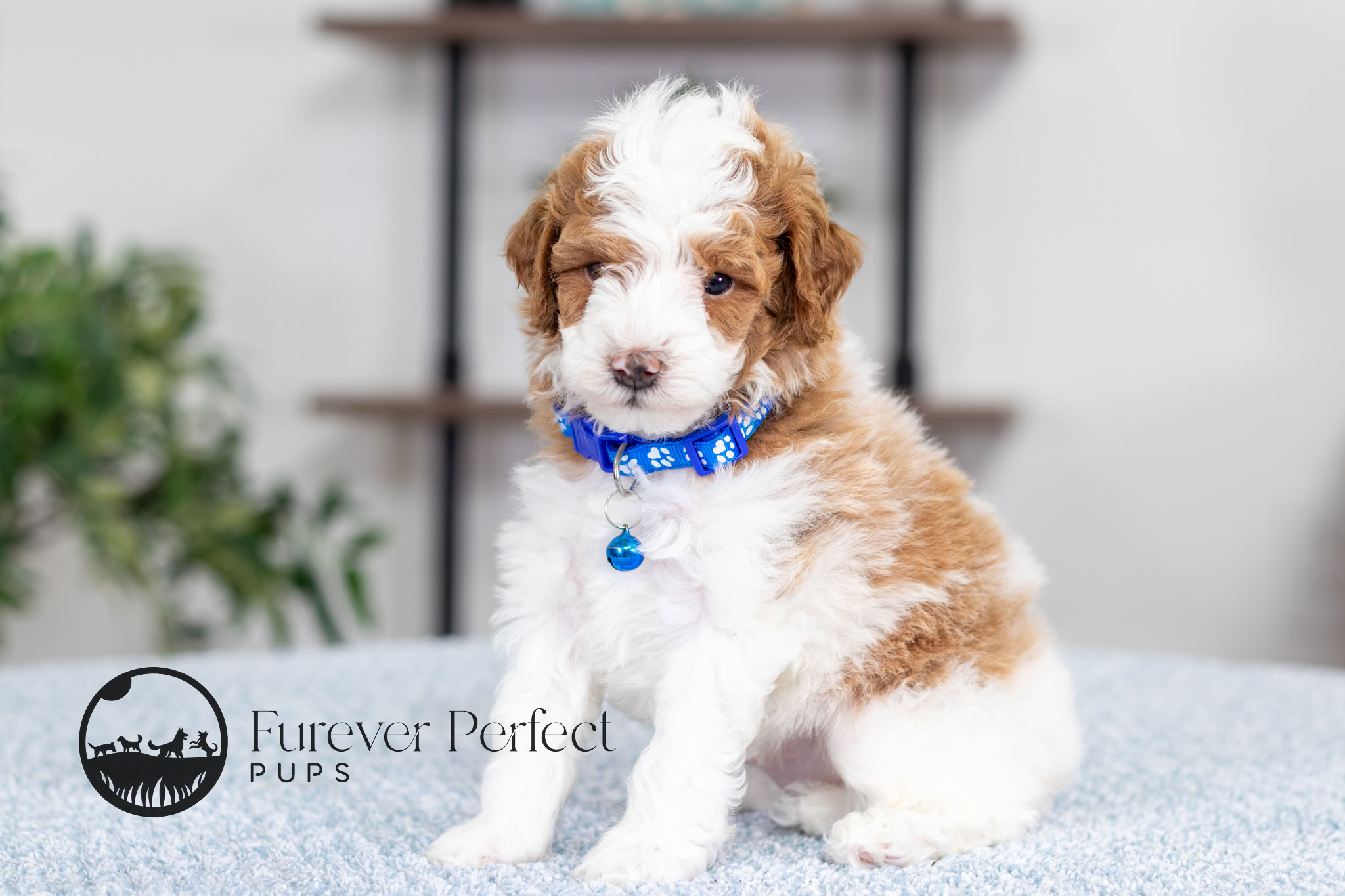
By Furever Perfect Pups | June 22, 2026 |